The State of Square Dancing in Schools
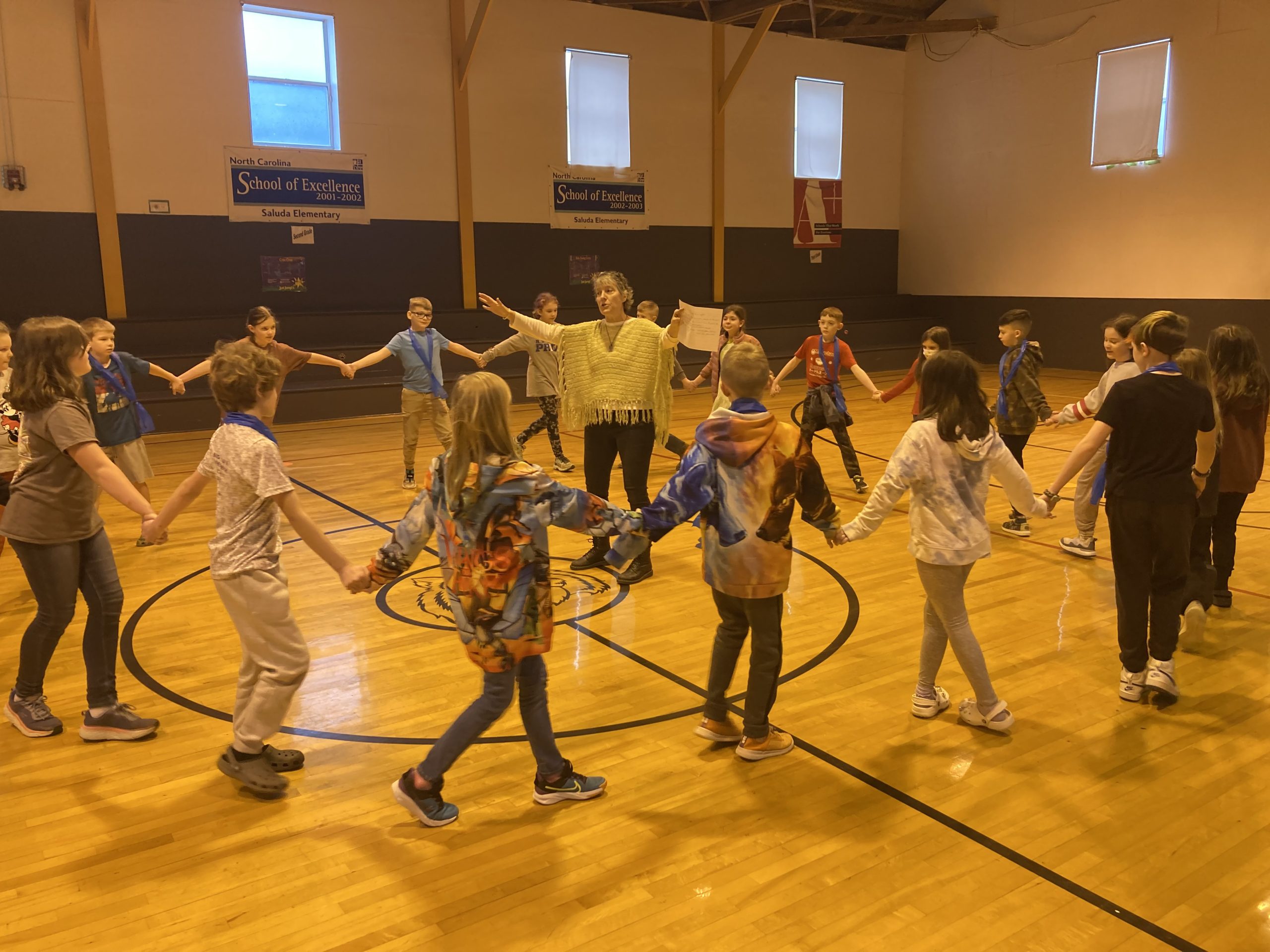
Four duos form a square and begin to move around the shape in a rehearsed pattern, forming turns and locking arms as unintelligible country music plays in the distance… as is tradition! While it may seem mysterious when described on paper, square dance (or modern western square dancing specifically) has been part of the high school curriculum in many schools since the 1930s. It was popularized during this time period by Grace Ryan, who started a movement to spread square dancing as a way to assimilate southern and eastern european immigrants.

Despite its more diverse origins, square dancing was initially interpreted as a purely American form of dance when Cecil Sharp discovered its practice by the white inhabitants of southern Appalachia from 1916-1918. Sharp theorized that the terrain’s isolation of those people meant that they held the oldest (and therefore purest), most quintessentially American form of dance.
Sharp’s emphasization of this theory then led to people like Grace Ryan believing that square dancing could be used to “Americanize” European immigrants. Ryan also contributed to the characterization of square dancing as something to bring people together. This is something that Mr. Jacobs–a gym teacher at Central Regional High school– agrees with, stating “ The kids love it, other than the 9th graders… I think they’re hesitant at first, people who have never experienced it… Then they fall in love with it, it’s indiscriminate, everybody’s doing it”. Mr. Jacobs is correct about its popularity in the case of CRHS where it’s mandatory, but also in the case of 31 states where it’s the official state dance, according to the United Square Dancers of America website.

The widespread popularity of square dancing can certainly explain why it became part of some schools’ curriculums, but another question is why it remains mandatory rather than fizzling out over time like many other trends. When asked why he believes this is the case, Mr. Jacobs simply responded, “It’s a State requirement to do some sort of dance”.
This answer pretty much finishes explaining the current state of square dancing and the reasons behind its prevalence, but there’s another factor to consider, its future. Mr. Jacobs claims, “I don’t see it changing”, while a senior at CRHS who’s square danced for three previous gym classes believes, “It probably won’t change, I do wish they (would) update the audio though”. Both guesses may indeed be accurate, since if the state requires there be a form of dance, schools may not remove square dancing unless there is significant dislike of it, or favor towards another form of dance.
For now, square dancing remains prevalent in schools, and shows little sign of stopping. While some may have mixed feelings about square dancing, others may continue to see it as a tradition to bring people together, no matter who they are.